
PROMOTION
MyCD.CA

 [
[
 ]
]




The page you are on is shown in brackets { PROMOTION ]
List of Music Promotion Articles
NEW -
1]
SUBMIT YOUR MUSIC TO HUNDREDS OF SPOTIFY PLAYLISTS
FOR FREE
2]
HOW TO PROMOTE
YOUR MUSIC ON TIKTOK by Art Rock MyCD.ca
3] THE
ADVANTAGES OF RELEASING SINGLE SONGS by Art Rock MyCD.ca
4] WHY RADIO WON'T PLAY INDY MUSIC by Jerome C. Ford
5] The Overall Picture of Music Marketing by Bryan Farrish Radio Promotion
6] THE SHOCK FACTOR by Art Rock MyCD.ca
7] How to Make a Great Press Kit Scott Richards
8] How to Promote Your CD by Rashi Singh
9] To Tour Or Not To Tour, That Is The Question! by Sheena Metal
10] Merchandise for Radio Promo by Bryan Farrish Radio Promotion
11] What makes a video go viral? The tips and tricks you need to know by Ash
Flight
12] Benefit from Submitting Online Press Releases by Dee Owens
----------------------------------------------------------------------
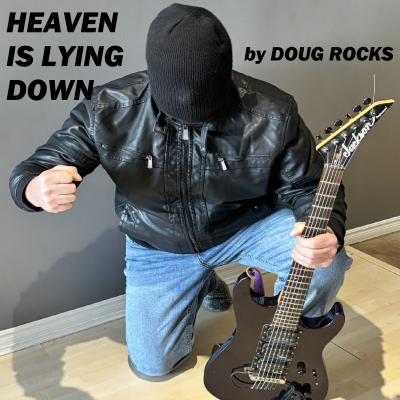
NEW RELEASE MAY 8 2026
CLICK FOR
STREAMING LINKS
__ _ _ _ _ _ _ _ _ _
a thrifty person like me, and are looking for playlists that you can submit your music to for free, here is a
combined list where you can do hundreds of free playlist submissions, each and every week, completely free.
Most of them will have submission gates which they usually default to on. They will request that you add their
playlist to your Spotify account and that you will follow the playlist curator. If you untick that box and choose
to not agree they probably won't add your song to their playlist. When you are submitting a song on their
playlist a Spotify page will come up, asking you to login, then asking you to agree to link your Spotify account
to them, and give them the ability to make changes to add, delete and follow entries on your Spotify account.
This is how they make sure that you do add them to your Spotify. If you don't agree, you won't be able to
submit your songs. Usually they will make the additions to your account while you are submitting your songs.
Even if that particular playlist declined your song, their additions to your Spotify will remain there, unless you
go in your Spotify account and untick them, thereby
removing them from your account.
There are a lot of other sites that say they are free, but conveniently don't
have free ones available, just paid
at that particular time, or the free submission button just doesn't seem to work. I have found these sites listed
below do work for free.
Here is the list
1] PITCHPLAYLISTS.com - They will let you do 20 free submissions per week. You
can pay for more submissions.
They usually let you reload another 20 when you've reached zero submissions remaining, for a total of 40 free
submissions per week.
2} DAILYPLAYLISTS.com - They will let you do 10 free submissions per week.
3] PLAYLISTPARTNER.com - They will let you do 10 free submissions per day, per
song. They do not link to your
Spotify, but suggest you add the playlist you are applying to, to your Spotify, then let the curator know you did
add them, via the remarks box. Total 70 free submissions per week per song. If you have 10 songs that would
be 700 free submissions a week. That will definitely take some time.
4] SOUNDPLATE.com - Here you can do about 7 submissions free per day, for a total of
49 per week.
5] submithub.com - Lets you do 2 per day for a total of 14 per week.
This will give you a total of 183 free submissions per week, if you have 1 song,
and an additional 70 free per
week per additional song.
by Art Rock / MyCD.ca
----------------------------------------------------------------------------------------------
DOUG ROCKS HARD ROCK, PROG ROCK,
METAL & ALT ROCK SPOTIFY PLAYLIST
From 60's, 70's Deep Purple, Led Zeppelin, Black Sabbath,
Jethro Tull, Rush, to 80's, 90's , AC/DC, Metallica, Iron Maiden,
The Cult, Soundgarden, Tool to 2000's current, & new up &
coming artists not yet discovered . Playlist is at:
https://open.spotify.com/playlist/4FuwJjsoV2320LxfIeRhh8
To submit your original Rock song go to:
https://play.soundplate.com/doug640
-------------------------------------------------------------
support.tiktok.com. In this article we are going to focus on how to use TikTok as a vehicle to promote your music
and you as an artist. TikTok videos are usually 15 seconds but you can go up to 10 minutes, 60 minutes if you upload.
It is long enough now to do a complete song, but remember people aren't going to TikTok to listen to music. They are
going there to be entertained and amused, they usually are looking for a good laugh. Show them something comical
or entertaining while you have the chorus of your song playing. Remember, for you, it is all about the music, your
music. You want to let them know, that is your song that they are hearing and where they can find it, to play and to
be able to hear the complete song. With TikTok you can have lots of small takes.. This is
where you have to decide, how you want to be perceived as an artist. If you want to be seen as cute, funny and
likeable you could incorporate different short cutesy type comical skits of you doing different everyday
things. If you are a prog rock band, death metal band or are generally performing music with a darker style of lyrics,
you might not want to be seen as cutesy. You may want to be seen as a serious artist. In that case you could do
takes of you sitting in the studio or your home studio, playing your instruments, singing in the mic or moving to the
song, while singing it or playing your guitar or instrument, the same way you would perform it on stage. If you can,
put some comedic breaks in there. Do a cartwheel, a shot of your pet, your six pack, your scantily clad girlfriend etc.
There are ways to lighten it up without making a joke of yourself, if that is what you choose. You will probably have
a lot more skips than the comedy act will, but then you normally would anyways. This would be due to the less
popular genres of music. Those genres are generally much less popular than the mainstream, which currently would
be rap, hip hop, R&B, Pop and Electronic and Techno style genres.
--------------------------------------------------------------------------------
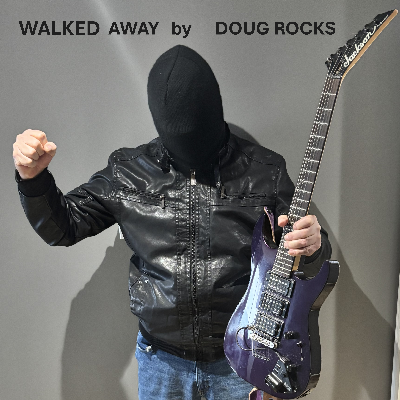
JUST
RELEASED
-------------------------------------------------------------------------------
Whichever route you take, you have one common goal. You want to get them to see
you as an musical artist, the artist
who wrote that song they are hearing in the background. You want to let them know where they can find you, your
songs, your website or social media pages. But you don't want to come across as an infomercial. Keep it fun and or
entertaining. Think about how you can get the message out, while making it entertaining enough so they don't hit skip.
Remember to include
hash tags so people can find you when they do a search.
article by Art Rock / MyCD.ca / Absolute Music copyright Absolute Music 2021 all
rights reserved
INDEX
-------------------------------
Why is it Free and how you can support us.
All the articles and info we provide is completely free to you. We get very
small payments from the advertisers on our
website when you make a purchase from them, after clicking one of their ads on our site such as Amazon, Ebay, Walmart etc.
You won't pay any extra for your purchase and you will help us keep it free. We also get a very small payment when you click
on an adsense by Google ad
-----------------------------------------------------------------------
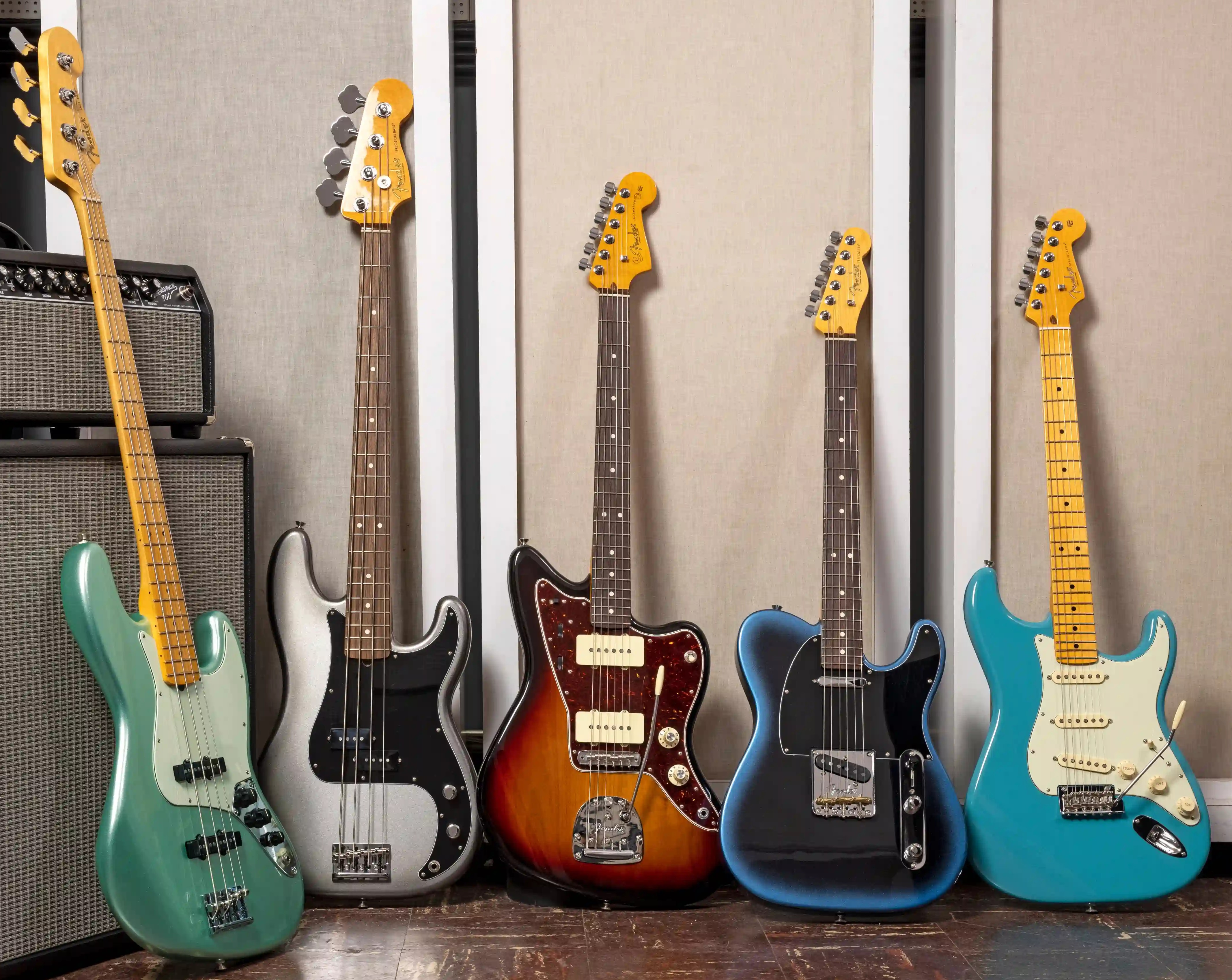
FENDER AMERICAN PRO II
of bits of information blasting around the internet, it is extremely difficult to get noticed and and even more difficult
to be remembered. By releasing nine singles instead of one album with nine songs on it, you will have nine times as
many chances at announcing a new release. This would keep you more upfront in your listeners minds. You would
be releasing new material more frequently.
This would also move your chance at success further ahead. For instance, if it
takes you an average of one month to
finish a song to the point you are ready to release it, you would have a release next month instead of nine months
from now, when the full album is completed. If you are a Progressive Rock Band, releasing singles, shouldn't stop
you from doing concept albums. You can announce the single as a first song release from a new, upcoming concept
album, coming out this year. When you do the second song, you announce the single as the second song release from
a new concept album coming out this year. You could do that, song by song, to the end, then release the complete album.
That would give you ten cracks at the market from your nine songs. Ten chances to announce a new song release or an
album release from nine songs. If you are a new artist it is easier to get a new person to listen to one song versus an
album of songs. You also have to remember that every single person is not on the internet every single minute of the
day, looking for music. The more shots at a new introduction you have, the better the chance of you getting noticed,
by a larger group of people. Everything in life is about numbers. The greater the number of people that see you, the
larger the number of fans you
can get. You will never get a million stream plays if only one hundred people
see you.
article by Art Rock / MyCD.ca / Absolute Music
-----------------------------------------------------------------------------------------------------
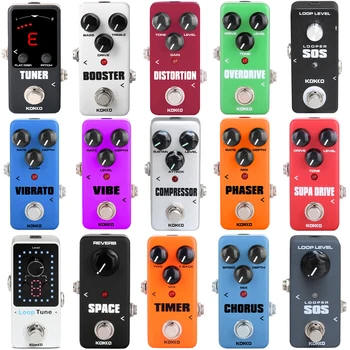
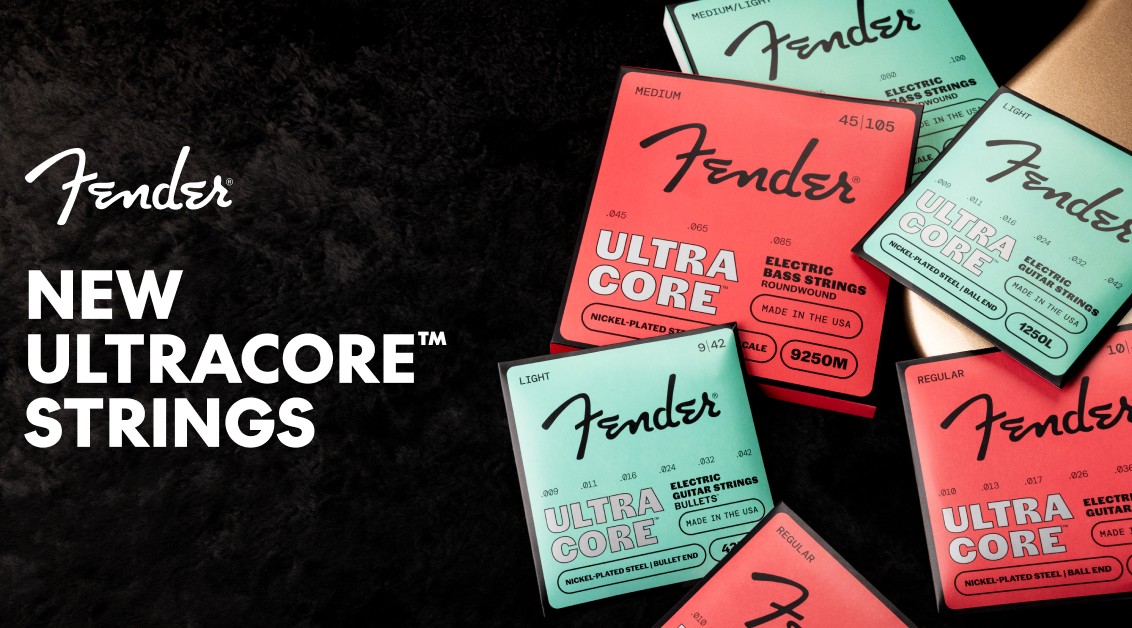
NEW GUITAR EFFECTS UNDER $10.
 $
$
$
$
------- ------- ------
4] Why Radio Won't Play Indy Music by Jerome C. Ford
One Reason Why Radio Won't Play Indie Music And What You Can Do About It by
Jeronimo Black
As I clicked on a popular music business forum, I was greeted with a question.
"Why won't commercial radio play music by Indie Artists?"
My reply to this person was as follows:
"As a former Operations Manager and Music Director on both the Comm and Non-Comm
sides, Let me break the reason down for you.
Commercial Radio needs ratings to get paid from advertisers. Most advertiser's,
on radio, are ad agencies. Ad agencies base their "buys" (sponsorships) on a
Cost per point ("CPP") basis. CPP is based on how many thousands of listeners a
radio station can capture in a 15 minute period (or cume).
Many commercial radio [Program and Music] don't want to put thier ratings at
risk, by airing an 'untested song' on the air. So what these commercial radio
directors do, is, air music based on the national charts provided by Radio and
Records, Broadcast Data Systems (BDS) and Billboard.
These charts are mainly influenced by the major labels via promotions and
strategic alliances.
Your best best is to do like Knarles Barkley. Knarles Barkleys' single "Crazy"
went #1 on the internet and radio couldn't help but to get them the single on
the air.

Get your music on music submission sites, make some noise on the net, and get a
CDBaby.com account so you can get your music on iTunes and start promoting."
I suggested this because the music business is going digital. Clear Channel has
a partnership with GarageBand.com where they will feature a certain amount of
new artists every week in on their website. Since Clear Channel is the biggest
and most innovative broadcaster in the music business, it's just a matter of
time before the other cowardly copy-cat broadcasters will follow suit.
The world is going digital, while radio continues to operate using an analog
business model. You can be successful in the music business if you change your
marketing model from analog to digital.
About the Author Jerome C. Ford is a 20 year Radio and Records Veteran, Music
Marketing expert and Vice President of Succeed In the Music Biz!
------------------------------------------------
5] The Overall Picture of Music
Marketing by Bryan Farrish Radio Promotion
There are two options for your independent music in the music business: You can
either try to be your own record label (and/or PR firm, music
company, entertainment agent, etc.), or you can partner with others who will do
the work for you if you pay them. Either way, you need to know
who does what.
A Record label, PR firm, music manager, music publishing company, entertainment
agency, music distribution firm, entertainment lawyer, music
magazine, and most any other entity in the music industry are all part of a
"mass media" wheel that generates airplay, publicity, gigs and record
(CD) sales. All this is part of a record deal (from a record label), or, it can
be used to get a record deal. Alternatively, you could decide
just to keep as much of it in-house as possible, thus creating your own
operation. This is a realistic option if you will be in the business for
five or more years, and you are willing to work at least 30 hours a week at it.
A real record company handles four basic areas of music marketing: Radio, PR
(public relations), gigs, and music retail. The radio portion is
what this entire site is about; radio is the most complicated part of the music
industry, and the most expensive part of the budget of a major
record label. If you hire an independent radio promoter, they can also help a
little with PR, gigs and retail, provided the airplay campaign is
large enough.
The PR (publicity) portion of the entertainment industry is obtained by hiring a
PR firm (or PR person). A large record label has these people on
staff, but will still hire out for more push. A smaller independent record label
sometimes will just try to do its own publicity, maybe by just
focusing on some local music magazines. Big mass media music magazines, however,
will be beyond what an independent music label can get.
The gig portion of your music marketing is obtained by partnering with an
entertainment agency who book gigs for you (good gigs can get you some
PR too.) Small music labels will just try to book their own gigs. Note that an
entertainment agency for gigs is not the same as an entertainment
agent that an actor would have.
For the retail part of the music industry, a record company would hire a retail
promoter, whereas a small independent record label would just
call stores on their own. Note that this is NOT the same thing as music
distribution, which is simply a middleman between the record company and
the music retail stores... they just take retail orders once the retail
promotion person causes the sales to happen. If you have no retail
promotions person, you will have no sales, regardless of the radio that you do.
The entertainment industry has a few other entities you will have to work
with... like the music manager (i.e., personal manager) and the
entertainment lawyer. While they are not into music-marketing or mass-media
details the way a record label or radio promoter would be, they are
needed with things like music publishing and general operation once you are on
the road (but probably not before.)
by Bryan Farrish Radio Promotion radio-media.com
____ ____ ____
______ ___ ______ ____
7] How to Make A Great Press Kit - A Musician's Guide
By Scott Richards
As an owner of an independent record label, I often get asked how to put
together a greatpress kit. I have found that young musicians understand their
music,
but are often intimidated by the marketing end of the business. In this article
I will help you figure out how to position yourself, whether you are a Latin
female vocalist building her base, or an upstart garage band just looking for a
break.
What is a Press Kit:
First of all, there is nothing magical about the term “press kit”. All we are
talking about is a little background on you/your band, some basic facts, good
quotes about your music, a couple of good pictures, and a sample of your music.
You will use this to send to newspapers, lawyers, radio stations, A&R reps,
promoters, and anyone else who is willing to spend five minutes reviewing your
material. Additionally, on the internet you will hear about an electronic
press kit, or EPS. An EPS is the exact same thing as a conventional press kit,
except it is downloadable as an electronic file instead of a hardcopy form
which must be mailed.
The main purpose of the press kit is to generate interest in the artist and
their music.
What to include:
Include a limited amount of background information on yourself. It is fine to
say where you are from, but no one really wants to hear about every singing
performance you did during elementary school. Sometimes less is more.
Talk about your music. Who do you sound like, and who does your music remind
people of. The reader needs to be able to have a good idea of what your music
sounds like just from your description. Be thoughtful and feel free to be a
little funny here (but stay professional). Saying something like your band
sounds
like a cross between “Maroon 5 and Green Day after 20 cups of coffee” helps the
reader understand. Remember, if you don’t generate enough interest in the
first minute, they will never listen to your demo.
Talk about what you are good at. What makes your band special and different from
others? What skills and experiences do you bring to the table? Remember if
you are looking for a record deal, you need to prove to your reader that you
have all the right ingredients for them to spend hundreds of thousands of
dollars marketing you. Launching a new artist is risky, so you need to help the
record exec understand why you are a solid investment.
Include quotes and/or press clippings as you generate them. A good quote from a
reputable source (not your brother-in-law) can add a lot of credibility to
your press kit. It lets the reader know that you have already been reviewed and
your material is worth listening to. Ninety percent of press kits
unfortunately end up in the trash, some good quotes and positive reviews can
create the momentum necessary to get heard, and who knows – maybe even become
famous.
You can go with one page dedicated to a bio (biography), and a separate page
focused on quotes about your music, or you can combine the two into what some
people call a “one pager”. My personal preference is to boil everything down to
a tight one pager. My desk gets cluttered and papers get separated. If you
have you quotes separate from your bio, there is a possibility that I could
misplace one or the other. With the advent of digital photography and high
quality color printers, it is even possible to include a small picture on your
one pager to make it even more complete.
Make sure the overall language and tone of the press kit is consistent with your
image. If you have someone help you write your bio, make sure they have
heard you music and know what you are all about before they hand you something
that might sound great, but isn’t about the real you.
Include a couple of different 8x10 pictures that show off different features
about you and your band. Include shots that would be appropriate in a news
article, but also highlight your key assets from a visual perspective. Your
press kit should look professional, but your pictures should reflect your style
and music, so you pictures can be much more crazy and creative. Make sure you
clearly label the picture with you name and contact information.
If you don’t have good pictures of your band, one of the best ways to get some
is to go to a modeling agency and ask for a referral to a good local
photographer. These photographers are often willing to do some great work for
around $300 for the whole package. Make sure you get an agreement upfront that
you own the copyrights after the shot and get the high resolution digital images
on CD (with a copyright release you can print these photos at any major
retailer). A photographer who does work with models is very different from a
photographer who takes family pictures. They have a much better idea of what you
want, they will encourage your creativity, and they are much more willing to
give you the copyrights.

A current gig sheet can also be useful showing where you have recently played
and where you are playing in the near future. This can demonstrate that the
music is current and has a following in the community.
And of course, your music. Send a high quality CD demo, preferably mastered if
you budget permits. Avoid burning your own CD on your home computer with a
stick on label – it looks cheap. There are many new CD duplication services on
the internet that will manufacture you CD with a printed color insert, and on
disc printing even if you only want a few copies (CD replication is for batches
over 1,000 but CD duplication is for batch sizes as small as 1). Expect to
pay around $5 a retail ready disc for 1-5 CDs, with prices dropping off for
larger batches. Make sure you clearly label the CD and the case with you name
and
contact information. The worst thing in the world that could happen is that they
love your music, but they have already lost the rest of the press kit and
don’t remember the name of the band.
What Not to Include:
Don’t oversell yourself. Saying that you are the greatest band that ever lived,
might be true, but it probably isn’t. Be positive and promote yourself, but
focus on statements that are credible. People in the music business hear hype
all of the time, and for the most part are numb to it. Hype is good to use with
the general public on things like posters (they often believe it), but your
press kit reader is more sophisticated and will see it as cheap theatrics.
Including too much of your personal history can make you seem like an amateur
with nothing meatier to talk about. Your reader wants to understand your music
today, only your psychologist needs to know about every little detail of your
childhood.
Don’t include anything that makes you look too desperate. You want to come
across as a quality professional artist. Remember, you make great music. If your
band is called the Chicken Heads, then it might be cute to include a rubber
chicken in the box, but otherwise I would stick to the basics – bio, quotes, gig
sheet, pictures, and music.
----------------------------------------------------------------------
----------------------------------------------------------------------
How to Package It:
Include a professional looking, personalized cover letter targeted at the person
you are sending the press kit to. Your message needs to be different if you
are sending it to an A&R rep at a label seeking a record deal, versus sending it
to your local newspaper for a review in their music section. Be brief and to
the point. Also, be clear and state exactly what you would like from them.
Put it all together in an organized package. Since you are most likely mailing
your press kits, make sure that the CD does not bend the photos, and that your
kit will arrive looking the way you intend. You may even want to test a press
kit (send it across the country to a wrong address, and then it will come back
to your return address) to evaluate your packaging.
Your Music Is Art, But Your Press Kit Is Business:
Remember, be professional. The person you are sending this press kit to probably
gets hundreds of them, most of them are garbage (and that’s where they end
up too). Your music can be crazy and wild, but your press kit needs to be more
business like. You are asking someone to spend their valuable time reviewing
your material. You may also be asking them to enter into a high risk expensive
financial relationship with you. The person you are dealing with is in the
music business, they need to make a living. The only way they can do that is to
deal with real talent. By presenting a professional package you give them
confidence that you are dedicated to making great music, and not just messing
around.
A Word About Unsolicited Press Kits:
Avoid wasting your time and money sending a press kit to someone you have not
talked with already. Always call and make contact first, ask who you should
send it to and what their process is. If possible, have someone who knows the
person act as an intermediate and make the initial introduction (this can work
wonders). The music business is all about contacts, create and leverage your
network. After sending your press kit, call in a couple of weeks and follow up
to make sure they received it and got a chance to review it.
Example:
To see a good example of a press kit, go to Legend Vega’s website at
legendvega.com.
Scott Richards is the president of an independent record label, 3JVL
Productions, Inc.
Want to hear great music?
Visit Legend Vega's Official Website legendvega.com

__ ______ ____ _____
8] How to Promote Your CD by Rashi Singh
Congratulations! Your debut CD is now recorded, replicated, packaged, and ready
for market. It’s an amazing feeling to see the fruit of your labor in front
of you, nicely packaged as a CD that’s ready to be sold alongside the big wigs
in the industry. One small problem: you don't have the backing and capital
that the big wigs do to promote your CD... and you just know your CD can be a
huge success in the market.
Promoting a CD can seem like a daunting task at first, especially if you haven't
done anything like this before. Here are a few tips and ideas on how you can
get started promoting, and selling your music CD.
1. First, you should plan a launch party. Tell all your friends and fans when
the CD is going to launch, and generate some buzz. Let local papers and shops
know as well, and have them help you spread the word.
2. Network - tell everyone you know about your new CD. Ransack that mental
rolodex of yours, and hit everyone you know, and tell them to do the same.
Believe it or not, this is probably your best resource!
3. Have a website before your CD launches, and use it to promote your CD. Set up
a page on myspace and other similar sites that allow navigators to sample your
new tracks.
4. Look into setting up an email list for your fans. Before the CD launches,
send out an email letting everyone know. It’s cheap, it’s easy and it’s a fast
way to get the word out about this and other upcoming events.
5. Write a press release and put it on your website. You can find lots of
examples and instructions of how to do this online.
6. Contact the music reporters at your local newspapers. Don't leave out the
smaller papers - sometimes they are the heart and soul of the local music scene.
Offer a free copy of your CD to local radio stations. Remember the school
stations - they frequently tend to favor local artists. If they play it, it
could pay off quite well for you.
7. Approach internet radio stations, and offer them the rights to play your CD
for free. Every time they play a track, you receive free advertising.
8. Call DJ's and DJ companies and offer a free copy. If they play your CD,
that's more free advertising.
9. Get a barcode for your CD. This can help encourage retailers to sell your CD.
------------------------------
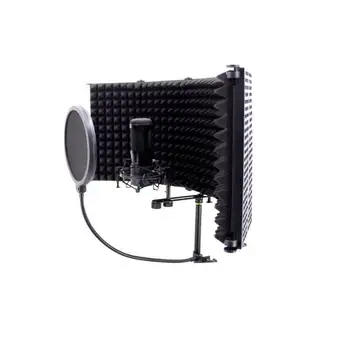
MICROPHONE ISOLATION SHIELD UNDER $20.
------------------------------
10. Get your CD sold at online distributers, such as cdbaby.com or amazon.com
11. Sell merchandise with your name or the band's name on it. This is not only a
little extra revenue - it's great advertising.
12. Find out if there is a music show on your local TV stations, and see if you
can be featured.
13. Cross-promotional deals - Talk to another similar band, and work out a
cross-promotional deal. ie. They promote your CD at their shows, and you promote
their CD at your show. Or even better...
14. Work out cross-promotional deal with several bands. Each band contributes a
track or two to a sampler CD. Then each band gives away the sampler CD as a
"bonus" with every CD they sell of their own.
15. Naturally, you should promote your CD at every show you play
There are lots of things you can do to realize your dream faster. These are some
simple ideas on how you can begin to promote your CD, and get the word out to
your future fans. Good luck!
Rashi Singh is with Duplium Corporation, a CD duplication company based in
Dallas and Toronto. Duplium provides top quality CD and DVD Replication,
customized printing and packaging, and full-scale fulfillment solutions. Visit
duplium.com for more information or to receive a quote.
-------------------------------------------------------------------------------------
NEW
GUITAR EFFECT PEDALS
FOR
LESS THAN $7.
--------------------------------------------------------------------------------
----------------------------------------------------------------------
----------------------------------------------------------------------
As an Amazon Associate I earn from qualifying purchases ----------------------------------------------------- _____ ___ ____ _____ _____ --------------------------------------------------
-------------------------------------------------------------------------------------

9] To Tour Or Not To Tour, That Is The Question! by
Sheena Metal
It's every musician's fantasy. The tour bus rolls up to the arena (full of
groupies, beer and pizza). Fans are crowded out front hoping to catch a glimpse
of
America's hottest band. The group is escorted to their dressing room (full of
more groupies, beer and pizza). They enjoy the various pleasures of stardom
while roadies set up the stage. It's show time. The artists take the stage. The
crowd is screaming. The lights are glaring. The amps are humming. The drummer
clicks off the first song and...
You wake up in the back of your PT Cruiser. Your bass player's elbow is in your
ear and the drummer's asleep on your foot. You've eaten nothing for the last
week but corn dogs and frozen burritos. This is not the tour you imagined. This
is not your Lilith Faire. This is not your Lollapalooza. This is not your
Warped Tour. This...sucks.
Every musician dreams of touring. Getting out of their same boring town. Trying
their tunes out on new crowds, in new areas, for fresh faces. Bonding on
road, writing new tunes in the motel room, free food, free drinks, getting paid,
getting laid...living the life.
But the music biz is full of touring horror stories. Bands stuck on the road
with no money to come home. Musicians not eating for days. Clubs canceling gigs
the night of with no warning. Negative reactions from bar patrons and local
bands. The list goes on.
So, how do you make sure that your touring experience is a positive one? What
can you, as musicians do, to eliminate potentially negative experiences and
create positive ones.
The following are a few tips that add success to your touring experience:
1.) Don't Plan A Tour Because You're Unhappy At Home---Just as an affair will
not fix the problems in a marriage, a tour is not the cure for: problems within
the band, problems in the band members' lives, or a general malaise for your
local scene. A tour is strain and stress and loads of work. You should be
excited, and enthusiastic and positive when planning.
2.) Over Prepare Before You Leave---You can never plan too much or take too many
precautions. At home is the time to rethink ever scenario and arrange
accordingly. Get the van tuned up. Pack extra emergency money. Bring a list of
additional clubs in the area in case your gigs fall through. Pack extra
strings and sticks. Bring a backup guitar. Pack extra merchandise. Bring
emergency food/water. Pack extra batteries and power cords. Bring cell phones.
3.) Be Humble And Thankful---You're in a strange town and a new club, act like a
guest. Nothing ticks off a club owner/promoter who's taken a chance on an
unknown band more than out-of-towners swaggering into a club like Paris Hilton
in an episode of "The Simple Life." No matter how cool you are in your own
town, this is unproven ground and your first impression is important. Ask, don't
demand. Set up quickly. Play at an appropriate volume. Clean up after
yourselves. Be friendly and courteous. Say "please" and "thank you". Unless
you're booking in Jerkville USA, this positive attitude could set you well on
your way to a repeat booking with better perks and more local support.
4.) Seize Every Opportunity---If you're going to take the time away from work,
family, and the buzz you've built in your own music community to head out into
the great beyond and conquer unknown lands...you might as well come back with
something other than lovely memories and an out-of-state parking ticket. You're
in a new place and the possibilities are endless. Sell CDs. Sell T-shirts. Get
new names on your mailing list. Solicit local reviews, interviews, and radio.
Introduce yourself to other club owners for future bookings. Find out who books
local festivals. Play an impromptu house party after your gig. Make new
friends that can street team for you next time. Think of something I haven't
even written here and do it!
Don't Expect To Conquer The World In One Tour---Rome wasn't built in a day and
neither will your touring empire be. Have fun. Enjoy each trip and using it as
a building block to make each tour to that particular place better and more
elaborate. Play your cards right, and after a few trips you may be making
terrific money, have secured lodging (either new friends let you crash or a club
pays for a motel), get food and drinks comped, and guaranteed press and
radio coverage.
In short, touring can be the best thing that ever happened to your band if you
work hard, play it smart, and follow through correctly. But no matter how much
you love to tour, always remember to keep your foot in the door locally. It's
the great work that you do at home that makes other clubs excited about you
bringing your show to their town.
About the Author
Sheena Metal is a radio host, producer, promoter, music supervisor, consultant,
columnist, journalist and musician. Her syndicated radio program, Music Highway
Radio, airs on over 700 affiliates to more than 126 million listeners. Her
musicians' assistance program, Music Highway, boasts over 10,000 members. She
currently promotes numerous live shows weekly in the Los Angeles Area, where she
resides. For more info: sheena-metal.com. TOP of Page
GUITAR EFFECT PEDAL
SALE AT AMAZON
___ _____ _______ _______
10] Merchandise for Radio Promo by Bryan Farrish Radio
Promotion
Merchandise has a definite place in the marketing of any artist or band, and it
is usually the first thing a band puts together, sometimes even before they
have a CD. What I'll cover here is how the merch can be used for radio station
airplay promotion, which is entirely different from how it can be used for
other things like gigs; these items COULD be sold at gigs, and indeed should be,
but by itself, merch won't do anything for your radio... merch has to be
used with a promotion campaign to be effective.
COLLEGE RADIO: The idea with college is that you are trying to impress the
people at the station; not the audience. And there are a lots of people at a lot
of stations, so the items have to be cheap, and lightweight to mail.
When doing a college radio promotion, stickers are your first merch choice. You
send them right along with the CD to the stations. Stickers are cheap,
universally accepted, and they don't add much to the postage. The idea is to get
them stuck around the station.
Next up on the college list is shirts, which most bands make anyway if they have
the money. But you don't send them with the CDs... you offer them to
stations who are charting you. Often this will be incentive enough for a poor
college student to dig up your CD and check it out; which is why you don't send
the shirts at first... the kids would just keep the shirt and forget the CD.
They have to do something for you first.
Posters don't have as much use for radio as you might think. Nobody at the
station cares about your poster unless they already like the music; so it
defeats
the purpose of using a poster to get played. And there is little room at college
stations to put up any more posters on the walls... they are already packed
floor-to-ceiling. Plus, the shipping cost is high because of the shipping tubes.
So posters really fall short of what other items can do for you.
Heat transfers, magnets and tattoos are useful for college, but are more
difficult to get people to use, and thus should only be done only if you already
have stickers and shirts.
SPECIALTY/ MIXSHOW: For these, you want to give items that are of interest to
the listeners... not the station people (the more and better the items are that
the station can give away, the more listeners the station will get.) And there
are far fewer stations to deal with compared to college, so we can now start
looking at meatier items.
Shirts still apply, but now you can now consider antenna balls (in quantity),
bandannas (for rock, rap), coolies, coasters, dog tags (for rap), foam guitars
(for rock), pens, gum (printed wrappers), key chains, rubber stampers, and even
rock-paperweights. With specialty/ mixshow, you can send one of your items
with the CD, but the real value of the items is in quantity (10, 20, or 30
pieces per station) for stations that are playing you.
COMMERCIAL REGULAR ROTATION: Truth is, no band/artist merch is going to affect
your regular rotation. Only if you are already in a hefty rotation would a
station care to give-away your stuff. If regular rotation is really what you are
after, and you have the money, stick to standard promotion practices...
they're going to cost far more than any merch items you could make anyway, and
you'll need all the push you can get.
by Bryan Farrish Radio Promotion radio-media.com
PLACE YOUR AD HERE
contact: web @ mycd.ca
11] What makes a video go viral? The tips and tricks
you need to know. by Ash Flight
Creating a video that goes viral and racks up millions of views is the ultimate
goal of nearly every person who uploads a video onto the internet. With
millions of new videos added daily, the competition is fierce and generating
views is no longer just a matter of simple luck. Here are a few tips that will
encourage web-users to share your video and help it "go viral".
Lets begin looking at some viral videos that have become highly successful
without a large budget or brand name behind them. Firstly, the 'Facebook Song'
made by Rhett and Link. This dynamic duo made a song about their obsessiveness
with the social networking giant Facebook. This catchy and original song
eventually led to the pair's online fame, which includes their own paid web
video series, high sales in Rhett and Link merchandise as well as televised
adverts on channels such as Aljazeera.
Secondly "Take Me Out" by Atomic Tom, a newly released viral video, which was
recorded on an iPhone, showing the band Atomic Tom performing one of their
songs live on a tube train, using only musical iPhone applications. This video
generated an astounding amount of views on the very first day it was uploaded
to YouTube and has since delivered a huge amount of press, a new fan base and a
potential record deal.
Now of course, both of these videos enjoyed a certain amount of luck in
attaining Internet fame, but both of these videos had several key factors that
contributed to their popularity, such as short and snappy titles; a lot of
YouTube users think that shoving as many key words in a title will generate
views.
This is completely the wrong way to do things.
I have found several video creator's who seem to think that inserting hundreds
of keywords will generate views. What this actually does is generate a lot of
spam-styled videos, which ultimately amount to a very low view count. The reason
being is that people are searching for something in particular and they want
to find a video showing just that. They are not interested in a random video,
which holds no relevance to the keyword they are searching for.
So, now that you have a rough idea of a few strategies that work, let's delve
deeper into a few tips every video creator should think about implementing.
Title
Keep it short and concise. Make sure it sounds original and describes exactly
what the video is. A good example of a very popular video is titled 'Surprised
Kitty'. The title says it all, it is simply a kitten being tickled and
surprised. The success comes as people are looking for, or interested in,
kitten-
related videos; and this delivers exactly that.
Tags
As I explained above, tags are of vital importance but they should be used in
moderation. Do not flood your videos with tags, be sure to use relevant
keywords and perhaps one topic, which is popular but also holds some relevance
to your video. Do not use celebrity names frivolously as your keyword would be
competing against several million other users who have used the exact same tag.
Description
An appropriate description of your video is just as crucial as relevant tags. Be
sure to word a description that appeals to your target audience and try
adding a question within the text, which will help prompt users to engage with
your video via commenting and subscribing. It also provides an opportunity to
drive users back to your website and other video content by adding a full
http:// link within the description, preferably in the first couple of lines.
YouTube Annotations
Annotations are the small text boxes that appear on videos allowing the owner of
the video to interact with the viewers. These have been proven to make
viewers feel more involved with a video and also maintain their focus longer. So
ensure your annotations are informative, witty and add a touch of humour to
engage with your audience.
Cross Promotion
If you have a Facebook or Twitter account then be sure to post links on your
Youtube profile page and ask your friends share your video online. Social
networking continues to grow, so a lot of the hard work can be done by your
friends that will produce big results.
Secondly, post your video on a number of other video sharing websites. Youtube
is not the only online video website which can generate fame and viral
success. Try websites such as Vimeo, Daily Motion, Twitvids and Sevenload.
Conclusion
If you implement these tips, it won't guarantee that
your video will "go viral",
but will it definitely improve the chances. Just remember, it only takes a few
people to like and share your video to kick start its road to viral fame.
About the Author
Ash Flight is the Marketing Assistant at Spectrecom Films Ltd, an award-winning
corporate video production company, the UK's leading online video marketing
authority and owner of Waterloo Film Studios, a four stage white / green screen
GoArticles.com © 2014, All Rights Reserved TOP of page
STUDIO MICS SALE AT AMAZON
----------
12] How Musicians Can Benefit From Submitting Online
Press Releases by Dee Owens
Musicians have always struggled with how to get
fans to their concerts and how
to sell more CDs
To get more fans to attend their concerts, some musicians post flyers in
conspicuous places, such as music stores and colleges. Some take out ads in
newspapers. And still, others stand out in front of subway stations passing out
postcards to their concerts.
Moreover, to increase CD sales some musicians host CD release parties, visit
local radio stations and sell their CDs in local record stores.
Although these methods are excellent ways for musicians to attract more fans to
their shows and to sell more CDs, they are limited in that these methods only
reach a limited audience.
To attract more fans, musicians are starting to discover the power of the online
press release:
An online press release, a one-page document distributed to the media via the
Internet publicizing newsworthy events of a person, company or organization,
can benefit a musician in several ways:
First, sending an online press release may create opportunities for you and your
band to get interviewed by music journalists and to have your music written
about in feature articles and music reviews. This can happen very easily in that
many music journalists subscribe to and monitor industry specific RSS feeds,
which give them up to date music news. Sending an online press release can
ensure that you will not miss out on this potential form of publicity for your
music.
--------------------------------------------------------------------------
| PLACE YOUR AD HERE contact: web @ mycd.ca |
--------------------------------------------------------------
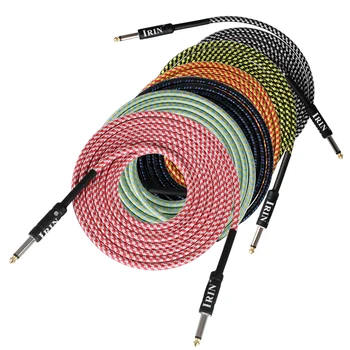
3m 10' CORD UNDER $7.
----------------------------------------------------------------------
Although the online press release is an excellent tool to generate free
publicity for your music, what happens if you do not know how to write one?
Simple.
Submit your release to an online distribution service. These services will
create and submit your release to the music media, search engines and RSS feeds
on
your behalf.
Many charge fees starting from $150, depending on where you want your release
distributed. Some examples of paid distribution services, include
- PRNewswire.com
- PRWeb.com
- Beatwire.com
Other services are free if you already have a press release ready to submit, but
invite contributions from the writer to upgrade services to paid services.
Some examples of free services, include:
- PrLeap.com
- Clickpress.com
- PR.com
Submitting online press releases do not guarantee that you will get an interview
from a music journalist or that your CDs will sell. To increase your chances
of success, you should send a release only when you and your band have some news
to share, such as
- Getting a record deal
- Hosting a CD release party
- Participating in a charity event
- Winning an award
- Opening up for a major music artist
When you have something newsworthy to share with the music media and your fans,
remember to send an online press release, which will help increase visibility
for you and your band, garner free publicity and in the end, help you sell more
CDs.
Dee Owens is a music publicist. For info about online press releases, visit
oneuppromotions .com/ musipublicity .html TOP of page
--------------------------------------------------------------------------------------------
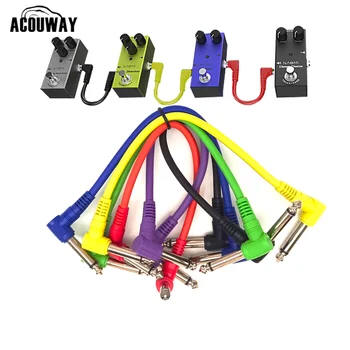
EFFECT PEDAL SHORT CORDS UNDER $7.
----------------------------------------------------------------------
MyCD.ca
More free articles on these pages - Pick a Topic

 [
[ ]
]




The page you are on is shown in brackets { PROMOTION ]
As an Amazon Associate I earn from qualifying purchases
Any prices displayed were the price at the time the ad was placed, subject to change. If you click on the ad you will see the current discounted price.
Privacy Policy
We do not utilize cookies or collect any data on anyone visiting our site, although
your personal internet provider, your browser, your social media
accounts, google, any sites or ads you clicked on, probably will and may follow
you to, and through our site, as well as every other site you visit, as well as
any ads you click on.
We do not ask for or collect any information on our site visitors.
copyright Absolute Music 2006, 2011, 2012, 2013, 2014 ,2020, 2021, 2022, 2023, 2024, 2025, 2026 All rights reserved
Contact web @ MyCD.ca
